Factory

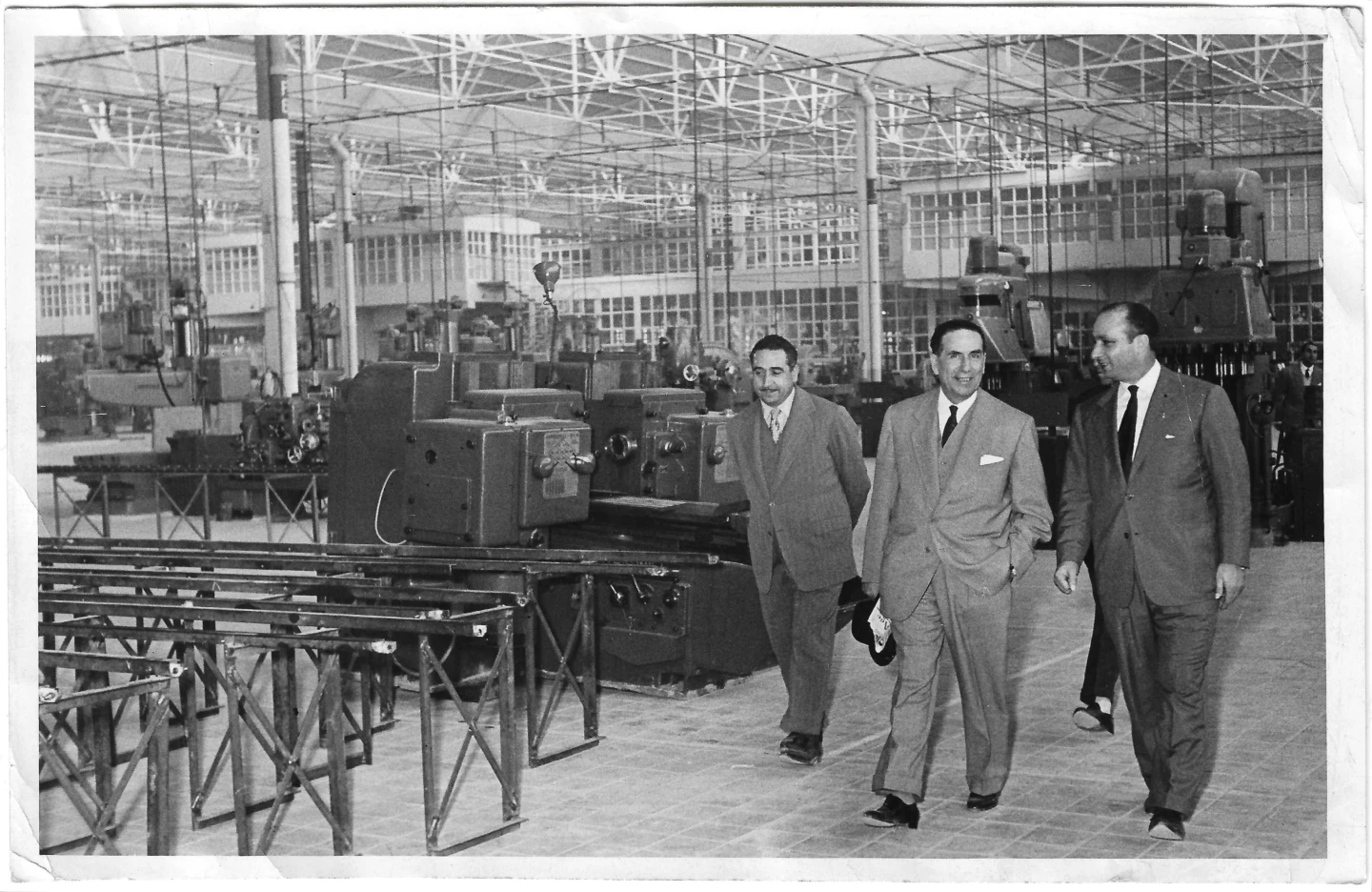
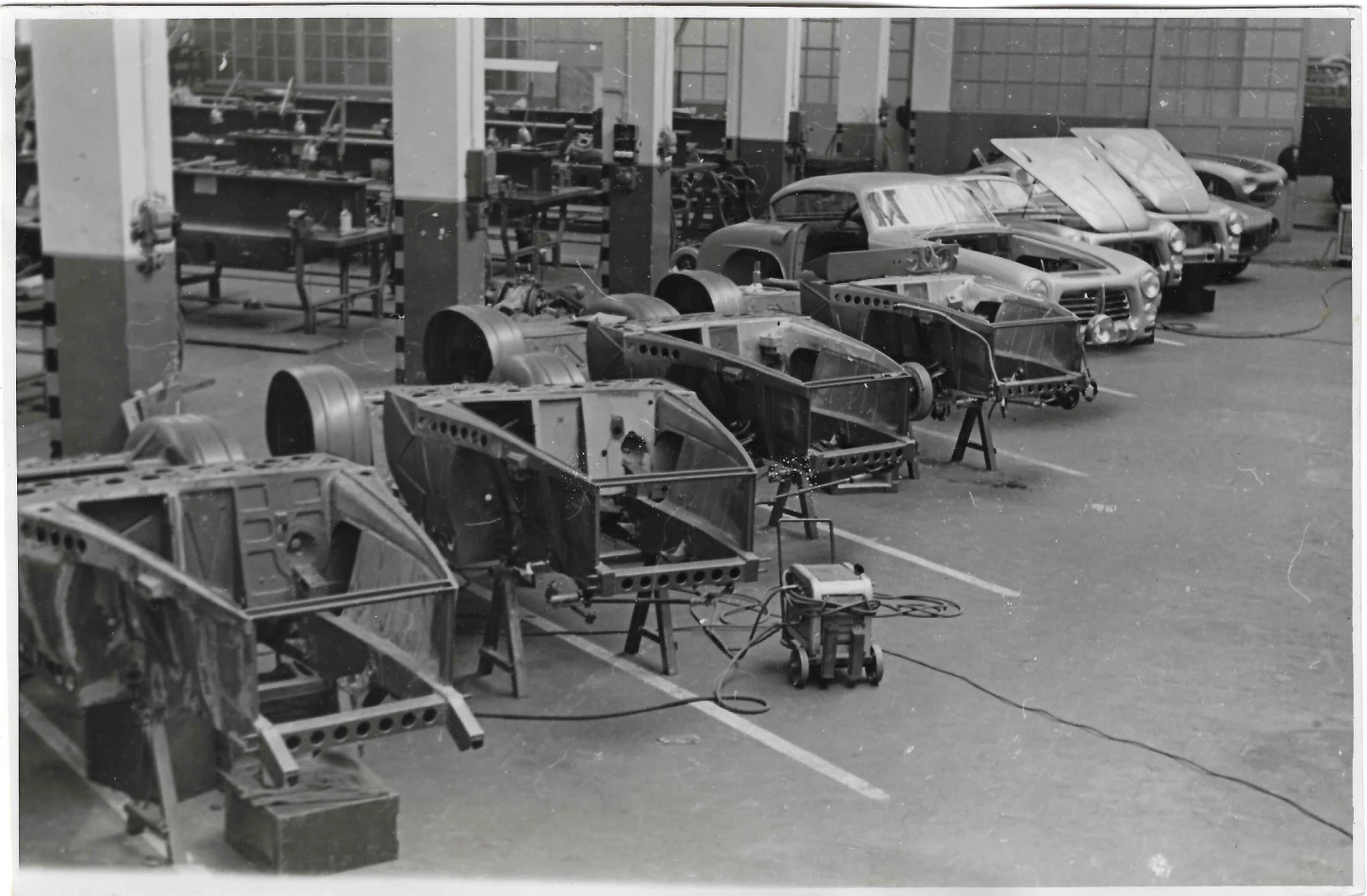
The old Hispano-Suiza works in Barcelona’s Zona Franca, reborn as ENASA. Trucks were built here by day, and supercars by the same hands, with the same skill. Later, the factory was moved to Madrid, to the aptly-named Ciudad Pegaso, right on the A2 highway in the outskirts of Madrid.

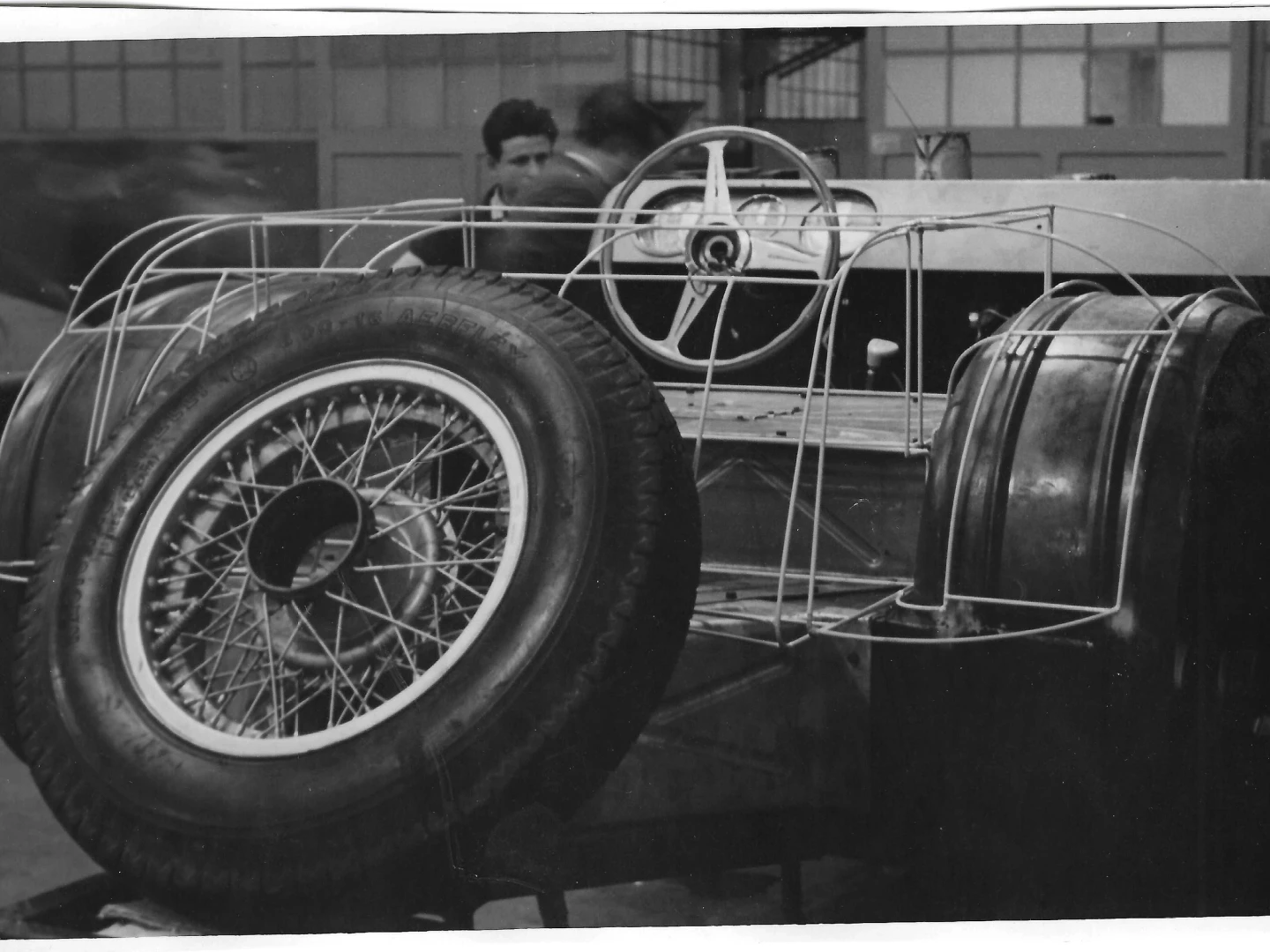
Workshops, benches, assembly lines, and the men who made possible what looked impossible on paper. Every Pegaso begins in this building.
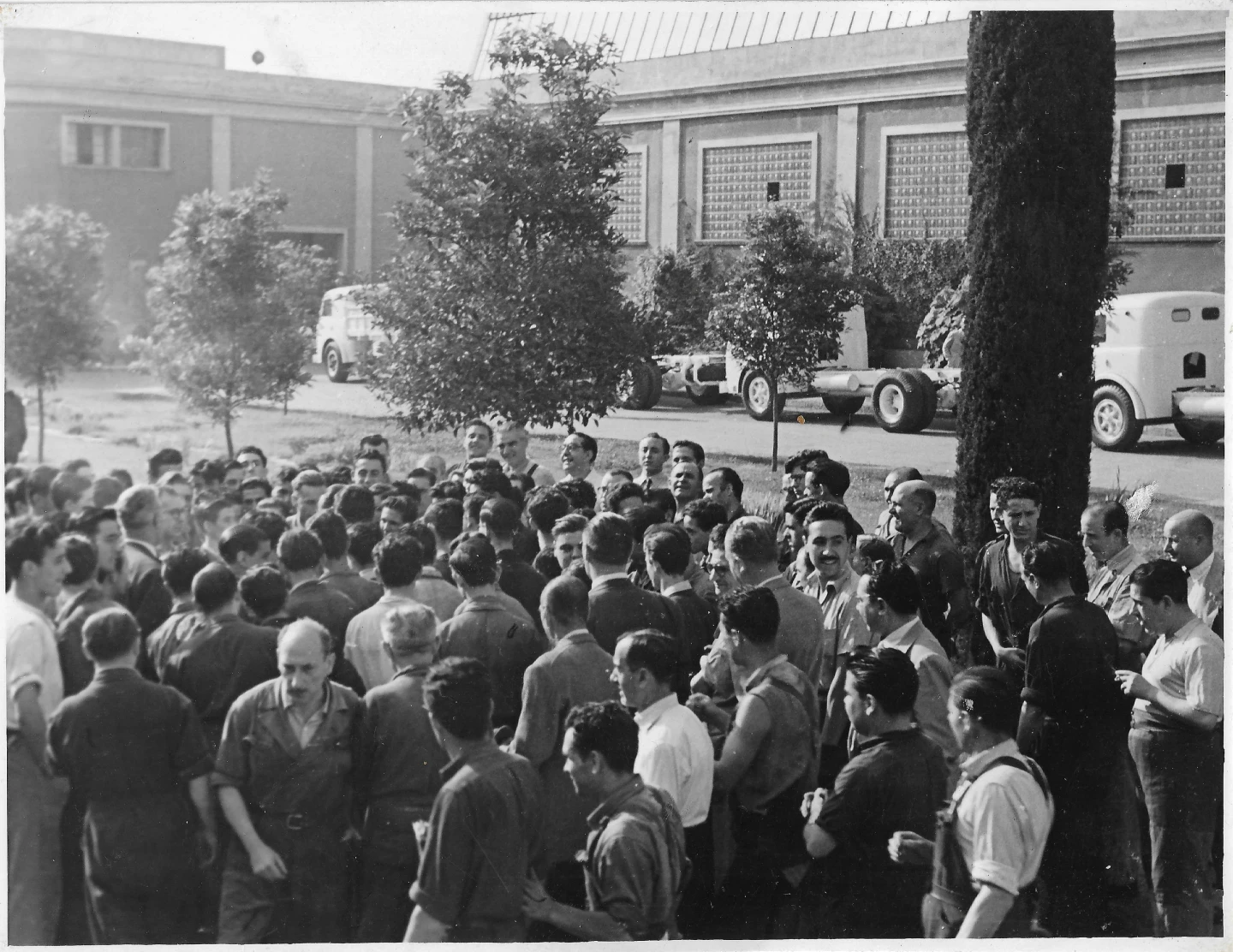
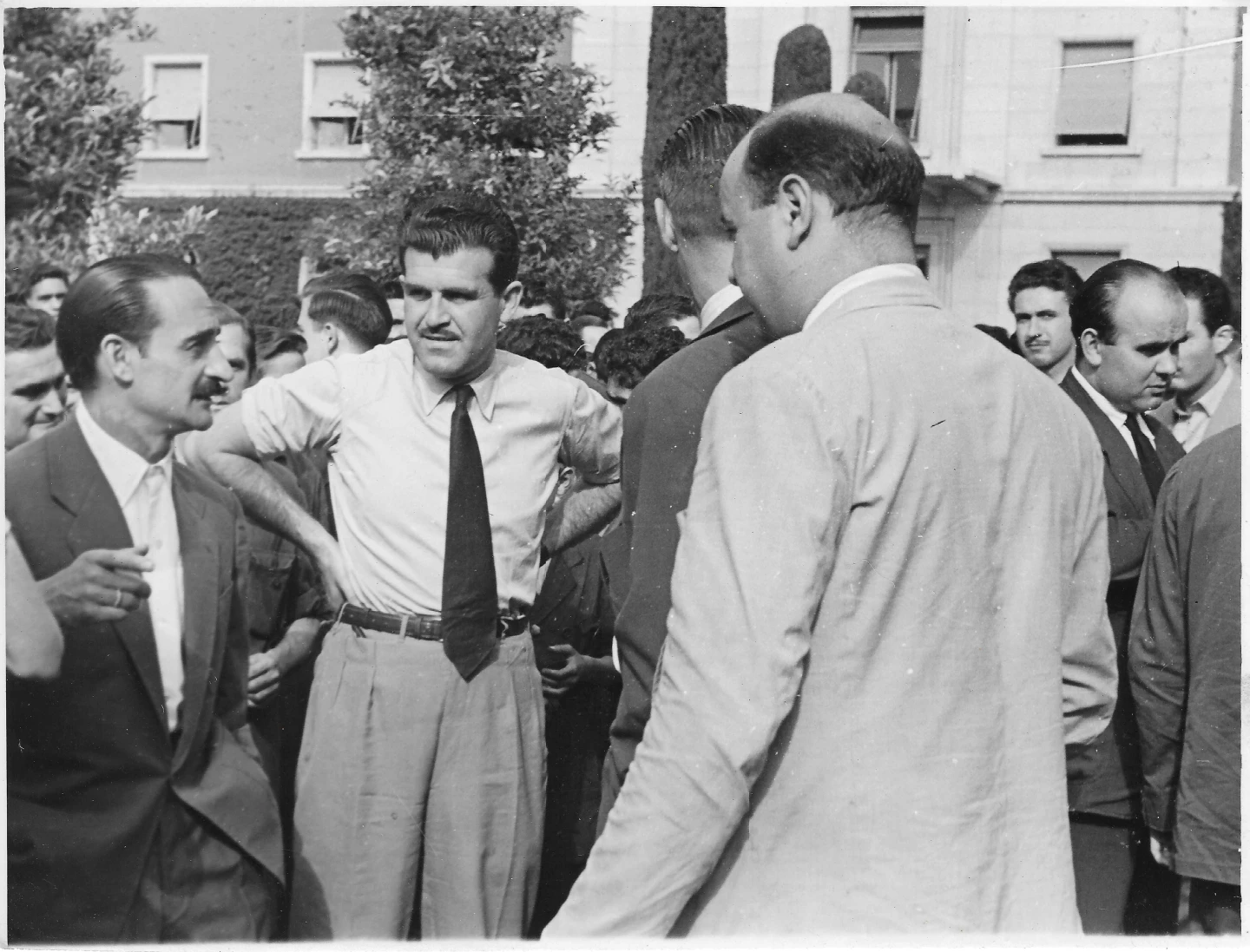
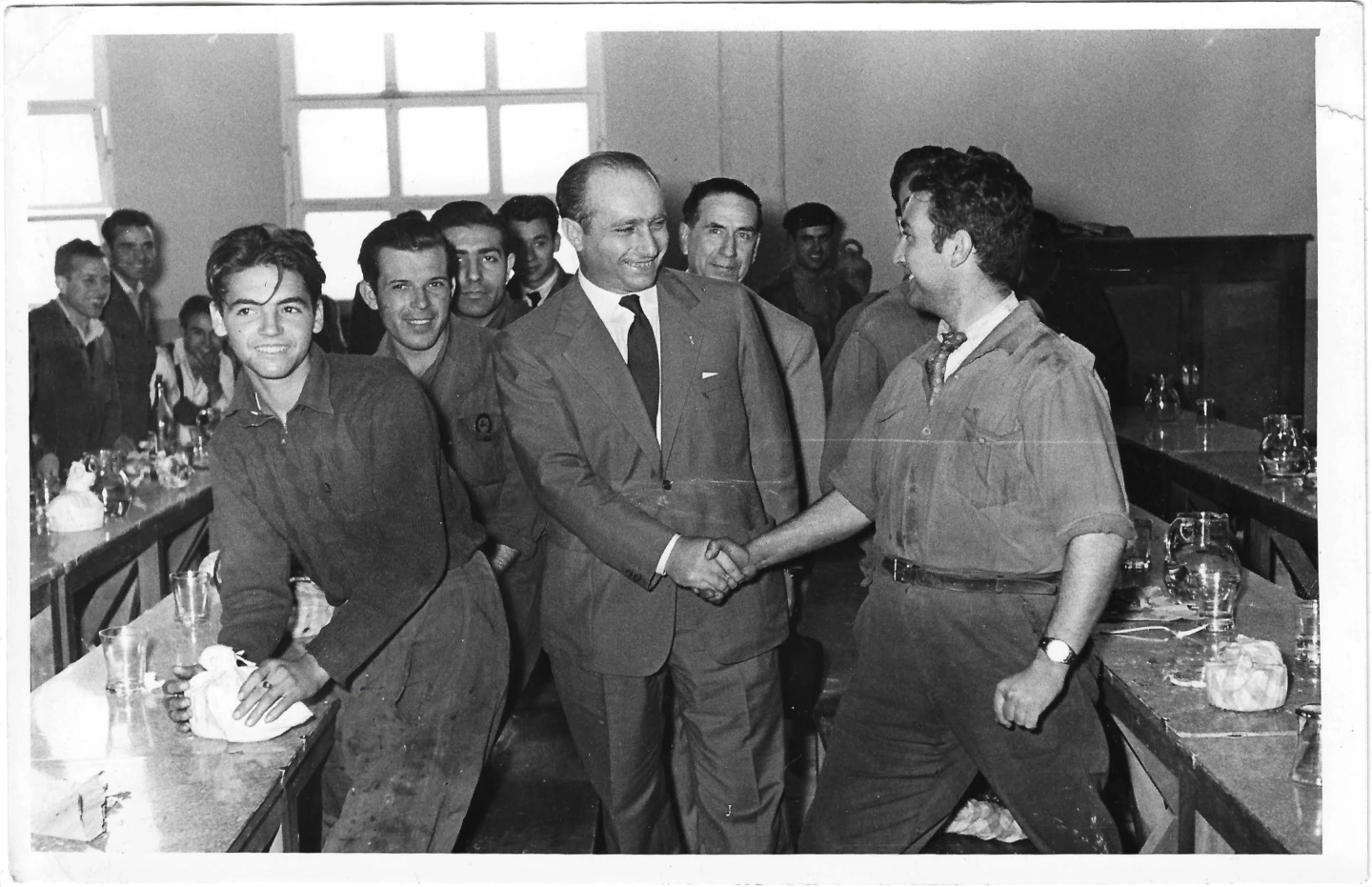
Fangio visits the Pegaso factory in November 1953. (identified thanks to Roberto López Alcolea, alias @pegasin_z102)
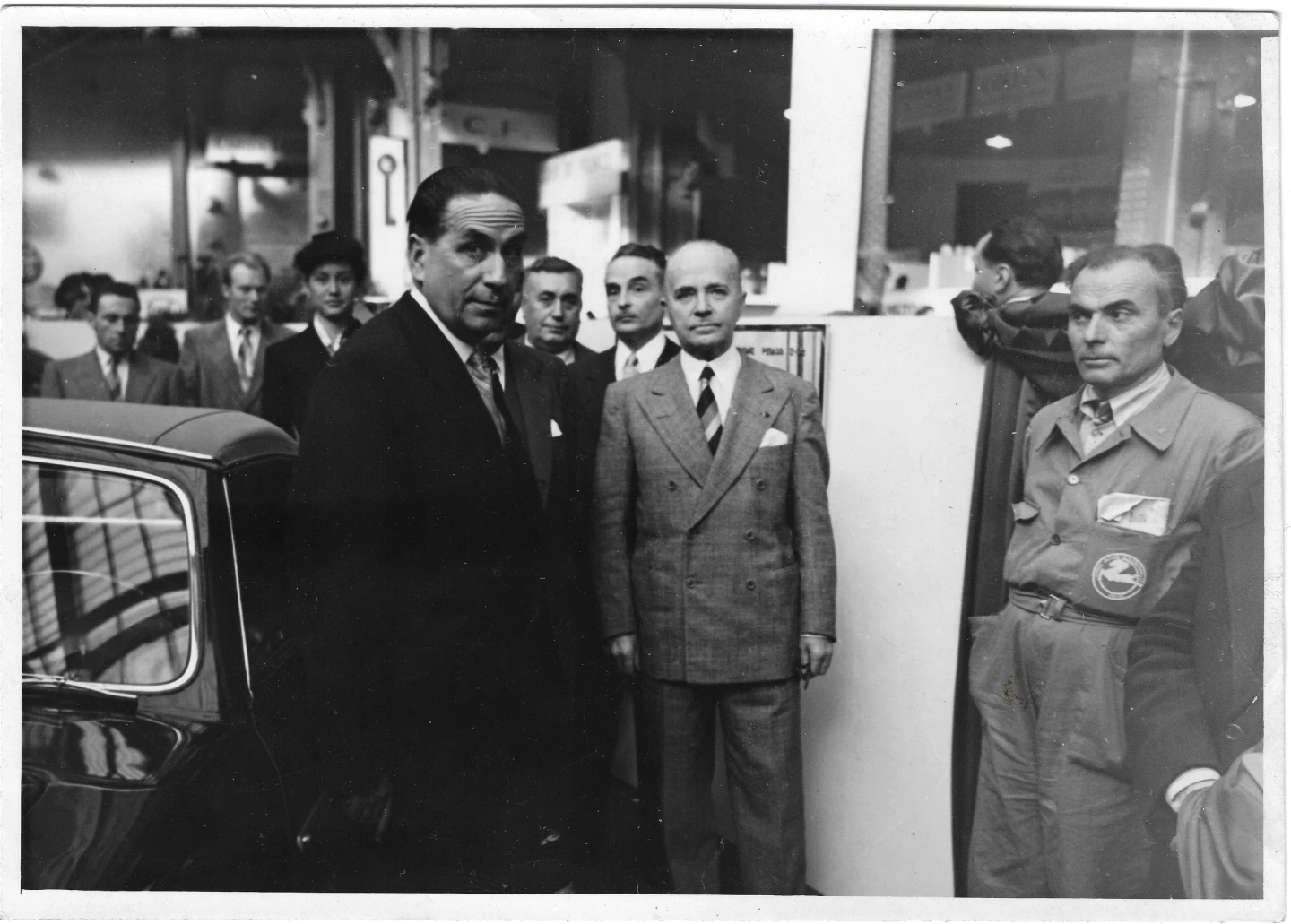
Wifredo Ricart with the Spanish ambassador to Paris, José Rojas y Moreno (Count of Casarojas), at the 1951 Paris Motor Show, standing next to the “faux-cabriolet”; there is a clip of a NO-DO newsreel showing the ambassador getting into the car. (identified thanks to Roberto López Alcolea, alias @pegasin_z102)
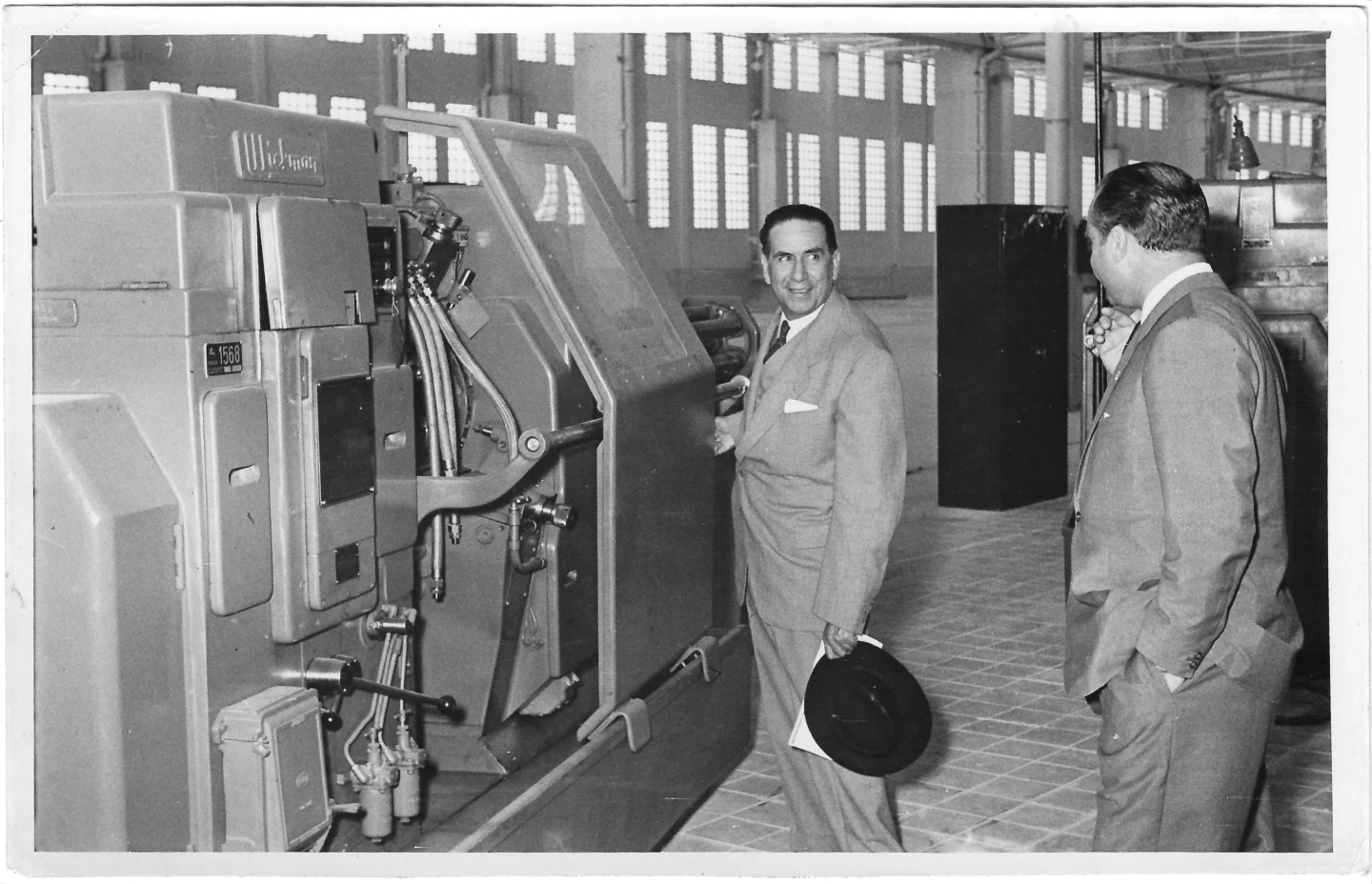
Fangio visits the Pegaso factory in November 1953. (identified thanks to Roberto López Alcolea, alias @pegasin_z102)
There are some interesting details about this photograph: it depicts the workshop where the Z-102s were built. We can see three chassis frames being assembled, and a fourth one with the mechanical components installed, ready to receive the engine, including the instrument panel and a headlight on the left. It’s interesting to note that some chassis have more holes than others; we have not been able to identify a specific reason for this, other than maybe that they weren’t entirely finished and a few more holes still needed to be drilled. Every chassis was tested with its corresponding engine before the bodywork was fitted. Behind them, three second-series Berlinettas can be seen; behind them, one of the "Cúpula" models; and finally, the ENASA Rabassada Spider, likely also under construction. (identified thanks to Roberto López Alcolea, alias @pegasin_z102)